
The Pulse of Modern Music: Sound in the Digital Age
Modern music is a constantly evolving reflection of today’s global culture, shaped heavily by technology, streaming platforms, and cross-genre experimentation. Unlike earlier eras where music was defined by strict categories such as rock, jazz, or classical, today’s music blends styles freely—creating hybrid genres like pop-rap, electronic R&B, lo-fi hip-hop, and Afro-fusion.
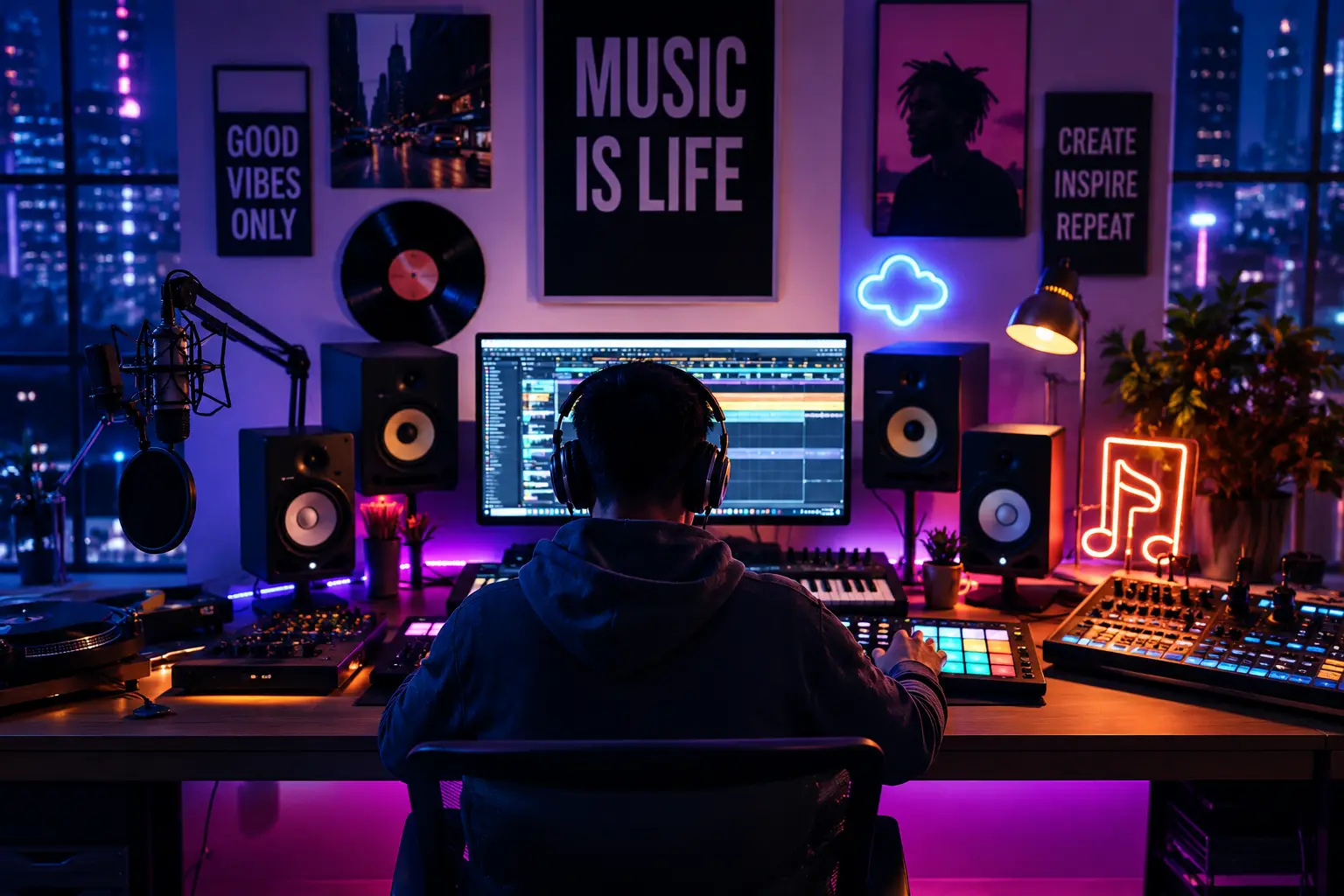
One of the biggest drivers of modern music is digital production. Artists no longer rely solely on traditional studios; instead, many create high-quality tracks using digital audio workstations (DAWs), software synthesizers, and AI-assisted tools. This has lowered the barrier to entry, allowing independent musicians to compete with major-label artists.
Streaming platforms have also reshaped how music is consumed. Instead of full albums, listeners often engage with curated playlists and algorithm-driven recommendations. This has encouraged artists to focus on single releases and viral hooks that can perform well on platforms like Spotify, Apple Music, and TikTok.
Social media has become a powerful launchpad for new talent. Viral trends can turn unknown tracks into global hits overnight, shifting the industry’s focus toward short-form engagement and cultural moments rather than traditional radio play.
Despite these changes, the core of music remains the same: emotional connection. Whether it’s a deeply personal ballad or an energetic dance track, modern music continues to serve as a universal language that reflects identity, emotion, and shared experience in a fast-moving world.