

The Future of Music in an AI-Driven World
The music industry is entering a transformative era shaped by artificial intelligence. From composition and production to distribution and personalization, AI is redefining how music is created, consumed, and experienced. While music has always evolved with technology—from vinyl to streaming—AI represents a shift that is not just technical, but creative and structural.
One of the most significant changes is in music creation itself. AI-powered tools can now generate melodies, harmonies, and even fully produced tracks within seconds. These systems learn from vast datasets of existing music, enabling them to assist artists in exploring new styles or rapidly prototyping ideas. Rather than replacing human creativity, AI is increasingly acting as a collaborative partner, expanding what artists can achieve in less time.
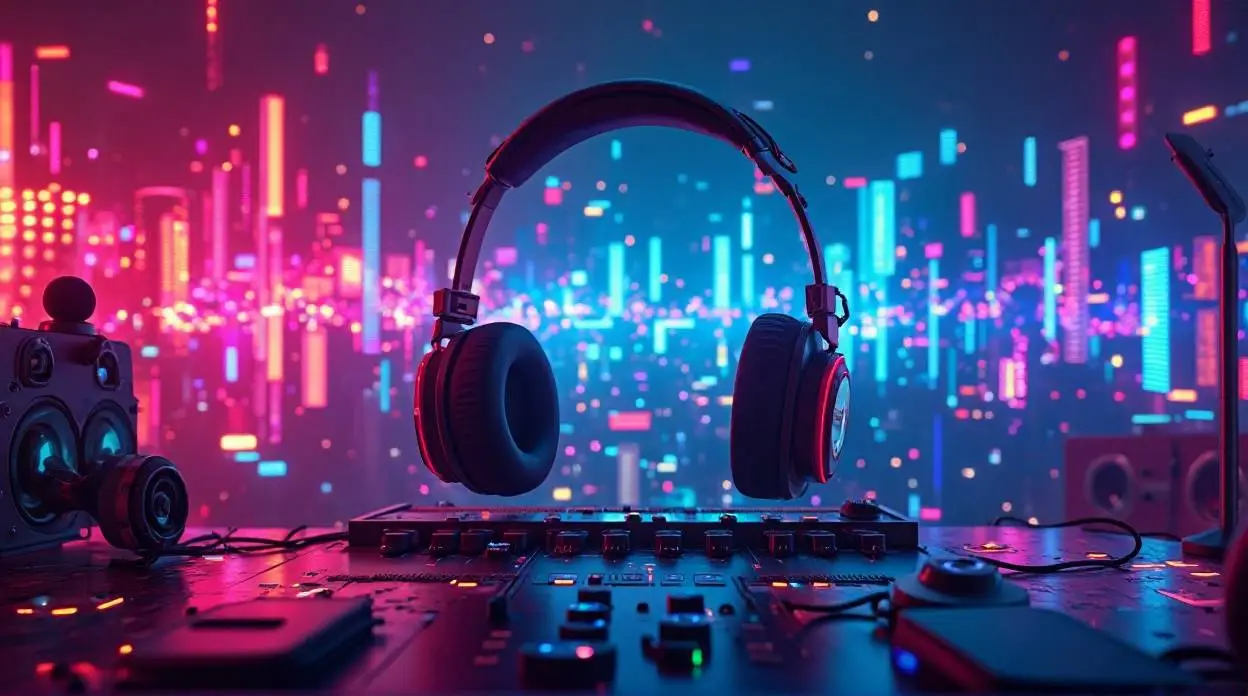
Production workflows are also becoming more efficient. Tasks that once required specialized expertise—such as mixing, mastering, and sound design—can now be partially automated. This lowers the barrier to entry for independent creators, allowing more people to produce high-quality music without expensive studio resources. As a result, we are seeing a democratization of music production on a global scale.
AI is also reshaping how listeners experience music. Streaming platforms are using advanced recommendation algorithms to deliver highly personalized playlists based on mood, behavior, and listening history. In the future, music may become even more adaptive—changing in real time based on environment, biometric data, or user activity, creating a fully dynamic listening experience.
However, this evolution also raises important challenges. Questions around originality, copyright, and artistic ownership are becoming more complex. If an AI-generated track resembles existing works, who owns the rights? And how do we preserve artistic authenticity in a world where machines can replicate nearly any style? These issues are already being debated across the industry and will likely define its regulatory future.
Despite these concerns, AI is not replacing music—it is expanding it. Human emotion, cultural context, and lived experience remain irreplaceable elements of true artistry. The future will likely be defined by collaboration, where artists use AI as a powerful instrument rather than a substitute.
In the end, the future of music in an AI world is not about losing creativity, but redefining it. Music will continue to evolve, but its core purpose—expressing emotion and connecting people—will remain unchanged.