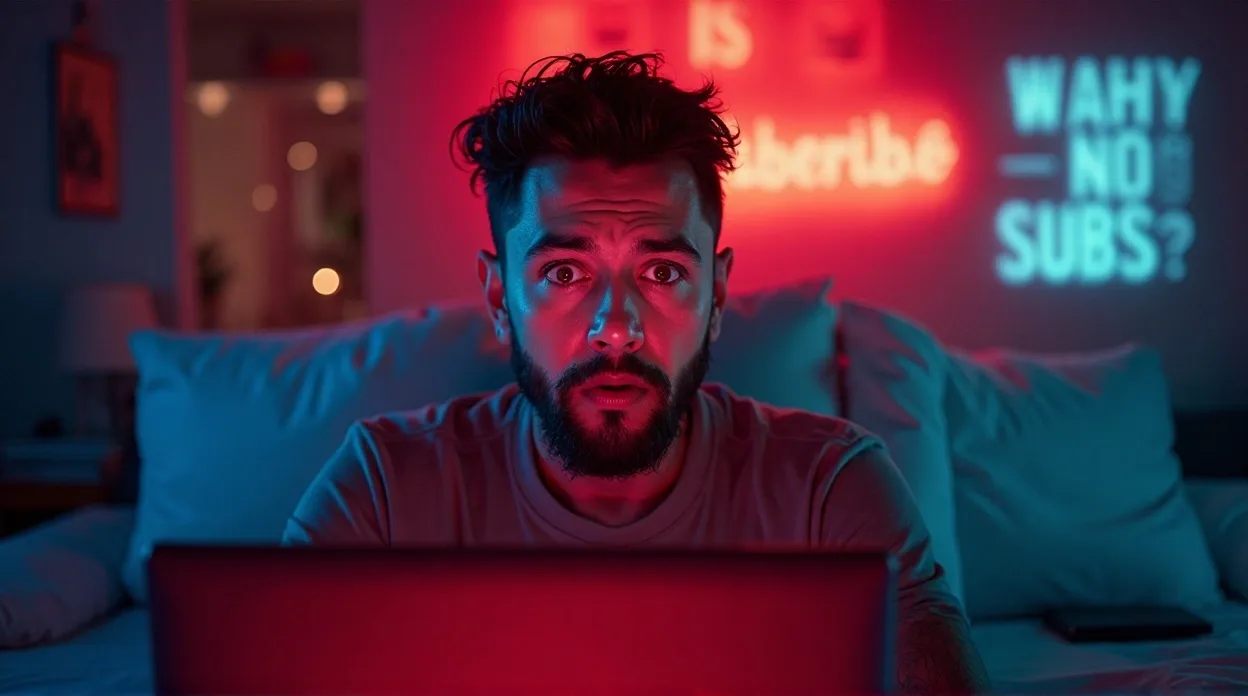
The YouTube Algorithm Explained: What Really Makes a Video Get Views?
Forget the mysterious "algorithm" everyone talks about. YouTube is not simply choosing its favorite creators. It is trying to answer one question: What video is this particular viewer most likely to enjoy right now?
🎯 First, Forget the Idea of "Beating the Algorithm"
There is a popular idea among creators that YouTube has a secret formula that decides which videos deserve millions of views.
This leads to endless questions: Should I upload at exactly 7 PM? Does YouTube punish small channels? Do I need a certain number of subscribers? Does the algorithm hate my channel?
The reality is more nuanced.
The algorithm follows the audience.
YouTube's recommendation system is designed to find videos that individual viewers are likely to watch and enjoy. It learns from viewer behavior and from how content performs when it is shown to people.
In other words, instead of asking: "How do I make the algorithm like me?" ask: "Why would the right viewer choose this video?"
⚙️ So How Does YouTube Actually Recommend Videos?
YouTube recommendations are personalized. Two people can open YouTube at the same time and see completely different videos.
The system considers signals from a viewer's behavior, including things such as watch history, searches, subscriptions, likes, dislikes, feedback such as "Not interested," and other indications of what the viewer finds useful or entertaining.
Understand the Viewer
What does this person usually watch? What topics and formats interest them?
Find Candidates
YouTube identifies videos that could be relevant to that viewer.
Evaluate Performance
It looks at how viewers respond when the content is actually presented to them.
Learn Satisfaction
Did people enjoy the experience enough for the system to believe similar viewers may enjoy it too?
🔥 The Three Things Creators Should Understand
YouTube's current creator guidance groups video performance into three important areas: appeal, engagement, and satisfaction.
Appeal
When your video is shown, do people choose to watch it?
Engagement
Once someone starts watching, do they continue?
Satisfaction
Did the viewer actually enjoy the experience?
These aren't three magic numbers that guarantee success. They are a useful way to think about whether your content attracts the right people, keeps its promise, and leaves viewers satisfied.
🖼️ Your Thumbnail Has One Job
Before someone can watch your video, they have to notice it.
Your thumbnail and title form the package that introduces your video to a potential viewer. YouTube specifically identifies titles and thumbnails as important parts of communicating a video's value and attracting viewers.
DOING IT
WRONG
Would someone who has never heard of you understand why this video might be worth watching?
Your thumbnail doesn't need to explain the entire video. It needs to create a clear reason to stop scrolling and investigate.
✍️ Titles: Don't Chase Clicks — Create Expectations
A title should make the value of the video understandable while creating enough curiosity for the right viewer to care.
My YouTube Tips
Too vague. The viewer doesn't know what problem will be solved.
7 YouTube Mistakes That Are Killing Your Views
A clear audience problem, a specific promise, and a reason to become curious.
But there is an important warning: never promise something the video doesn't deliver.
A misleading title may generate curiosity, but if viewers quickly realize the video isn't what they expected, you've created the wrong kind of engagement.
⏱️ Watch Time Isn't the Whole Story
One of the most persistent YouTube myths is: "Make your videos longer because YouTube rewards long videos."
That's not how YouTube describes its system.
Longer = Better
Stretch every video to 10, 20, or 30 minutes because longer videos supposedly receive more algorithmic love.
Valuable = Better
Make the video as long as necessary to deliver the value. Don't add filler just to increase the runtime.
YouTube explicitly says there is no universal ideal video length. The right length depends on the content, audience, and purpose.
That's why audience retention is so useful. It can reveal where viewers lose interest, where they stay engaged, and which sections may need improvement.
📉 Your Retention Graph Is a Story
Imagine your audience retention graph as a map of the viewer's experience.
Your opening may not be delivering the promise quickly enough.
You may have discovered a format, topic, or storytelling technique worth repeating.
Something may be slowing the story down or failing to provide enough value.
❤️ The Signal Many Creators Forget: Satisfaction
Getting someone to click is not the final objective.
YouTube also wants to understand whether viewers actually enjoyed the experience. Its recommendation system uses signals such as likes, dislikes, feedback, and satisfaction surveys alongside viewing behavior.
If the viewer could go back in time, would they still choose to watch this video?
That's a much better question than simply asking whether you managed to keep them watching.
🔎 YouTube Search Is Not the Same as Recommendations
Another common mistake is treating YouTube as one giant search engine. It isn't.
Search
Someone already has an intention. They type something into the search box and YouTube tries to find relevant results.
- Query relevance
- Engagement
- Quality
- Title and description relevance
Recommendations
The viewer may not know what they want yet. YouTube tries to predict what they might enjoy.
- Watch history
- Viewer interests
- Previous behavior
- Video performance
This distinction is extremely useful when planning content. A search-focused video and a recommendation-focused video may require very different packaging.
🚨 YouTube Algorithm Myths You Should Stop Believing
"YouTube hates small channels."
Recommendations are designed around matching content with viewers, not simply rewarding the biggest channels.
"You must upload every day."
More uploads do not automatically mean more recommendations. Sustainable, audience-focused publishing is more important.
"Every video must be 10 minutes long."
There is no universal ideal length. Make the video long enough to deliver its value without unnecessary filler.
"One bad video destroys your channel."
An individual underperforming video does not automatically penalize the entire channel.
"Tags are the secret to getting views."
Tags can help with common spelling mistakes, but YouTube says they are not an essential discovery tool.
🚀 A Better Way to Think About YouTube Growth
Instead of trying to discover a secret algorithmic trick, build your videos around this five-part system.
Find a Real Audience
Know who you're trying to help, entertain, educate, or inspire.
Choose a Strong Idea
Start with a topic people genuinely care about, not simply something you want to upload.
Package It Well
Create a title and thumbnail that clearly communicate why the video deserves attention.
Deliver the Promise
Give viewers the value they expected — quickly, clearly, and without unnecessary filler.
Study the Results
Use Analytics to discover what viewers responded to, then improve the next video.
✅ Before You Publish Your Next Video
Stop Trying to Outsmart the Algorithm. Understand Your Audience.
YouTube's recommendation system is complicated because the audience is complicated. There isn't one magic number, one upload schedule, or one thumbnail formula that guarantees success.
The strongest strategy is surprisingly simple: make something the right people want to watch, present it clearly, deliver what you promised, and learn from what happens.
"Don't ask whether the algorithm likes your video. Ask whether the right viewer will love it."
Comments (0)