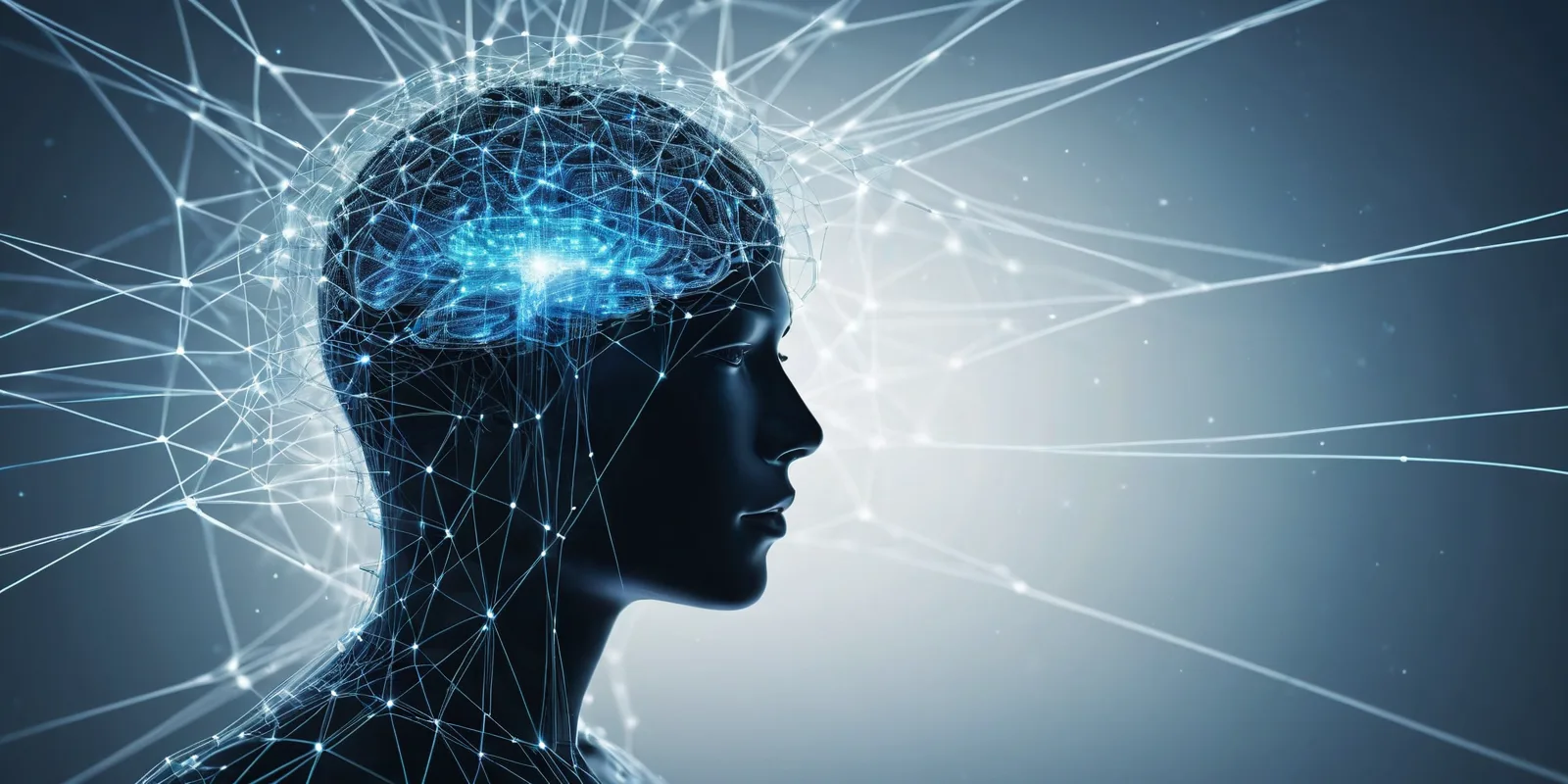
The Symbiotic Future: How AI is Reshaping the Human Brain and Cognition
Exploring the profound intersection of machine intelligence and neuroscience.
💡 Introduction: A New Era of Cognition
For millennia, the human brain has been the ultimate frontier of understanding. Now, we stand at the precipice of a revolution powered by Artificial Intelligence. AI is not merely mimicking human intelligence; it is providing unprecedented tools to observe, model, and even enhance our own cognitive processes. This relationship—the synergy between biological and silicon minds—promises to redefine what it means to be intelligent.
Key Takeaway: AI acts as a powerful mirror, allowing us to view the brain's mechanisms with a clarity previously unimaginable, accelerating scientific discovery across neurology and computer science.
🧠 Understanding the Brain Through AI
How does a machine help us understand a biological marvel? AI, particularly Machine Learning (ML) and Deep Learning (DL), excels at pattern recognition in massive datasets. In neuroscience, this is revolutionary.
- Decoding Neural Signals: ML algorithms can analyze complex EEG and fMRI data, identifying patterns associated with specific thoughts, emotions, or memories that human analysis would miss.
- Modeling Disease: AI helps predict the progression of neurodegenerative diseases like Alzheimer's by spotting subtle biomarkers in imaging scans long before symptoms become obvious.
- Drug Discovery: By simulating how neural pathways react, AI drastically speeds up the identification of potential drug targets, moving us closer to cures for complex neurological disorders.
🔗 The Frontier: Neuro-AI Interfaces
The most exciting development is the development of Brain-Computer Interfaces (BCIs). These systems use technology to create a direct communication pathway between the brain and an external device.
How it Works:
BCIs read electrical signals from the brain (either invasively or non-invasively) and translate them into commands that control prosthetics, cursors, or even external computing systems. This is restoring function and opening up entirely new avenues for human-machine interaction.
The goal is not just to restore lost function, but to augment human capability—to give us a "second brain" in the form of seamless digital integration.
⚖️ Ethical Crossroads and the Future
With great power comes great responsibility. The integration of AI into our cognitive processes raises profound ethical questions that society must address proactively.
- Equity and Access: Will cognitive enhancement be available only to the wealthy, creating a "cognitive divide"?
- Identity and Self: If a significant part of our memory or decision-making is mediated by an AI, where does "self" begin and end?
- Privacy: The brain generates massive amounts of data. Who owns the data generated by your thoughts, and how is it protected?
The conversation must shift from if AI will change us, to how we will ethically guide that change.
Comments (0)