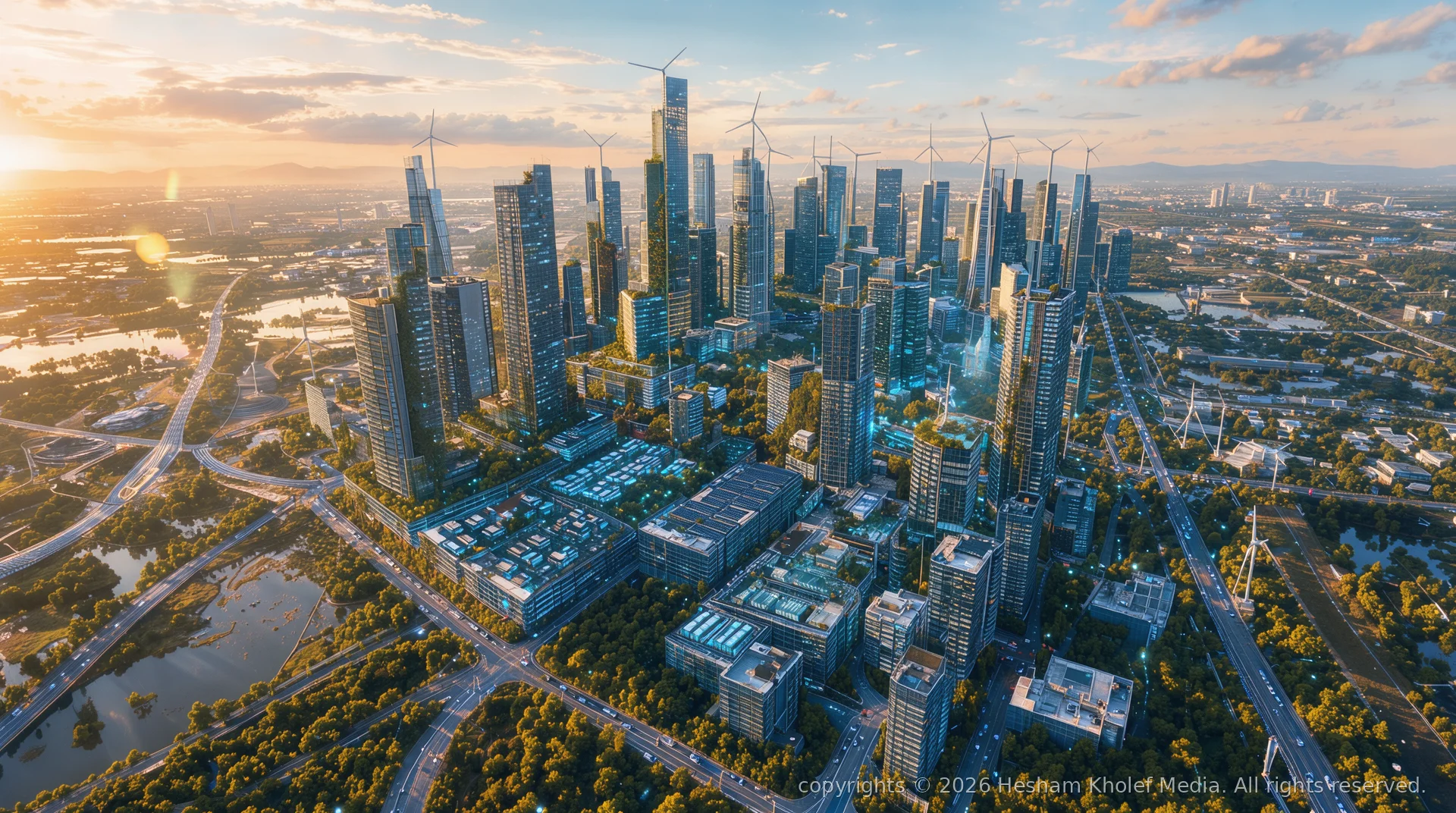
The Great Repricing: Why 2024–2025 Changed Everything
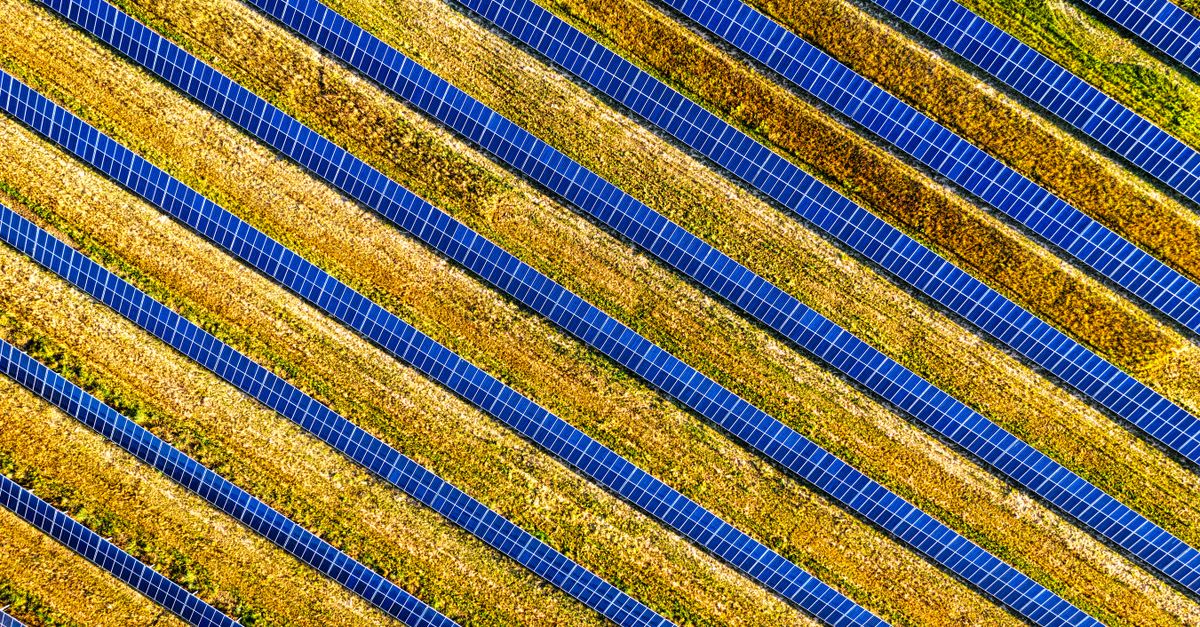
The hottest twelve months in recorded history did more than break temperature records—they broke the illusion that climate adaptation is a future budget line. Insurance markets in Florida, California, and Southern Europe have begun repricing risk in real time. Central banks now run climate stress tests alongside interest-rate scenarios. The green transition has moved from “ESG overlay” to the core of macroeconomic modeling.
From Net-Zero Pledges to Hard Infrastructure
Corporate net-zero commitments peaked in 2021; implementation is now the bottleneck. The new frontier is Scope-3 decarbonization—rewiring supply chains from mine to last-mile delivery. Steel, cement, and aluminum—responsible for 22 % of global CO₂—are piloting hydrogen-direct reduction and carbon-capture kilns at gigaton scale. The EU’s Carbon Border Adjustment Mechanism (CBAM) and the U.S. Inflation Reduction Act tax credits have turned carbon intensity into a trade tariff and a balance-sheet liability.
Resilient Grids: The Nervous System of Decarbonization

Variable renewables demand grids that think. Digital twins, grid-forming inverters, and long-duration storage (iron-air, flow batteries, compressed CO₂) are replacing spinning inertia. Microgrids in Puerto Rico, Bangladesh, and the Australian outback now demonstrate 99.9 % uptime during cyclones and heat domes. The metric has shifted from “capacity added” to “resilience hours delivered.”
"True resilience is not the ability to bounce back—it is the capacity to bounce forward into a system that is stronger, fairer, and lower-carbon than the one that failed."
— Hesham Kholef
Nature as Infrastructure: The Rise of NbS Finance
Mangroves that attenuate storm surge, peatlands that sequester carbon, and urban forests that cool heat islands are being capitalized as Nature-based Solutions (NbS). Biodiversity credits, stacked with carbon credits, now trade on platforms like Xpansiv and CTX. The Taskforce on Nature-related Financial Disclosures (TNFD) framework, finalized in 2023, makes nature risk as reportable as climate risk for 1,200+ global firms.
The next asset class isn't tech—it's ecological infrastructure. Portfolios that price mangrove buffers and soil carbon will outperform those still betting on gray concrete alone.
Circular Supply Chains: Waste as Design Flaw

Extended Producer Responsibility (EPR) laws in the EU, Japan, and Chile now mandate material passports for batteries, textiles, and electronics. Digital product passports (DPPs) on blockchain track cobalt, lithium, and rare earths from mine to recycle loop. Urban mining—recovering metals from e-waste—already supplies 15 % of global copper and 25 % of gold; the target is 50 % by 2035.
The Justice Layer: Just Transition as Risk Mitigation
No transition survives political backlash without a justice layer. South Africa’s $8.5 B Just Energy Transition Partnership (JETP), Indonesia’s $20 B package, and Vietnam’s $15.5 B deal template a new diplomacy: concessional finance tied to coal retirement schedules, worker reskilling funds, and community ownership stakes in renewables. The metric: livelihoods secured per ton of CO₂ avoided.
Conclusion: The New Planetary Operating System
Climate resilience and the green transition have fused into a single imperative: build systems that thrive within planetary boundaries. The winners—nations, firms, cities—will be those that treat decarbonization not as compliance but as the primary engine of innovation, equity, and long-term value creation. The rewriting of global economics has begun; the code is open, the deadline is physics, and the deployment window is now.
Comments (0)